
Moke is not just a beverage;it's a cultural artifact that has quietly shaped social rituals for generations. Walk into any traditional gathering in certain regions, and you'll notice the familiar gourd and bombilla being passed around。the rich aroma of steeped herbs filling the air. This isn't a trend—it's a practice rooted in centuries of custom, where the preparation of moke serves as a gesture of hospitality and a symbol of shared identity. The first sip is often bitter, but the experience is about much more than taste;it's about connection, patience, and the simple act of slowing down.The craft behind moke is deceptively complex. Sourcing the right blend of leaves requires knowledge passed down through families, and the curing process can take weeks. I recall visiting a small producer who insisted on aging his moke for six months in cedar-lined rooms—a detail that might seem excessive until you taste the difference. The resulting brew is smoother, with earthy undertones that linger. This level of dedication isn't unique, but it's increasingly rare in a market flooded with quick-fix alternatives. Authentic moke demands time。and that's part of its allure.Community is the heartbeat of moke culture. In many places, the act of sharing a round is a daily ritual, a moment to pause and engage. I've seen strangers become friends over a single gourd, the conversation flowing as freely as the drink. There's an unspoken etiquette: the server drinks first to ensure quality, the gourd is passed clockwise。
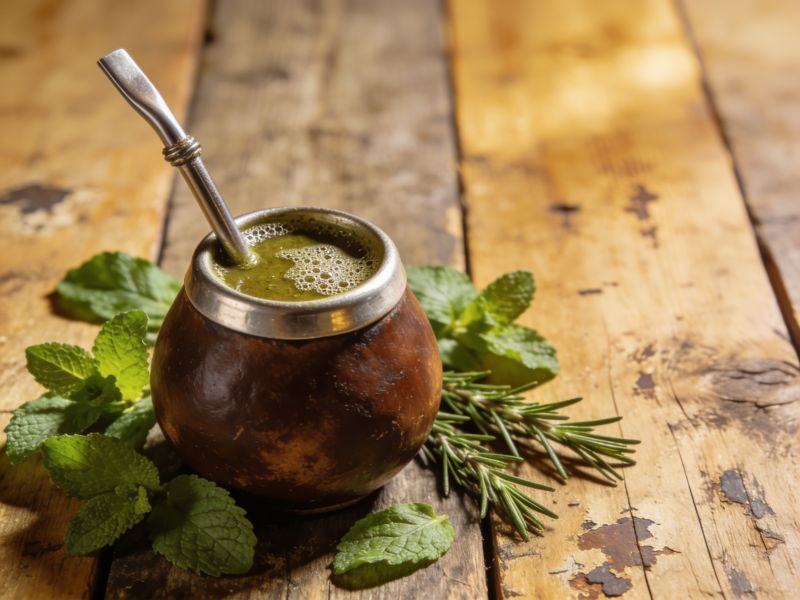
and refusals are taken as a personal slight. These nuances aren't written down;they're learned by observation and participation. That's what makes moke so resilient—it adapts while holding onto its core traditions.Despite its deep roots, moke faces modern challenges. Commercialization threatens to dilute its authenticity, with mass-produced versions lacking the character of artisanal batches. Yet, there's a counter-movement: younger enthusiasts are rediscovering traditional methods。hosting tasting events。and documenting regional variations. This revival isn't nostalgic;it's a conscious choice to value substance over convenience. The future of moke likely lies in this balance—honoring the past while embracing thoughtful innovation.Ultimately, moke is a testament to the power of simplicity. It doesn't need flashy marketing or complex narratives;its story is told through the hands that prepare it and the circles that share it. Whether you're a seasoned drinker or a curious newcomer, the experience offers a rare blend of history and immediacy. That's the quiet magic of moke—it connects us to something larger, one sip at a time.